
Livestream Shopping: Is It the Future or Just Overhyped?
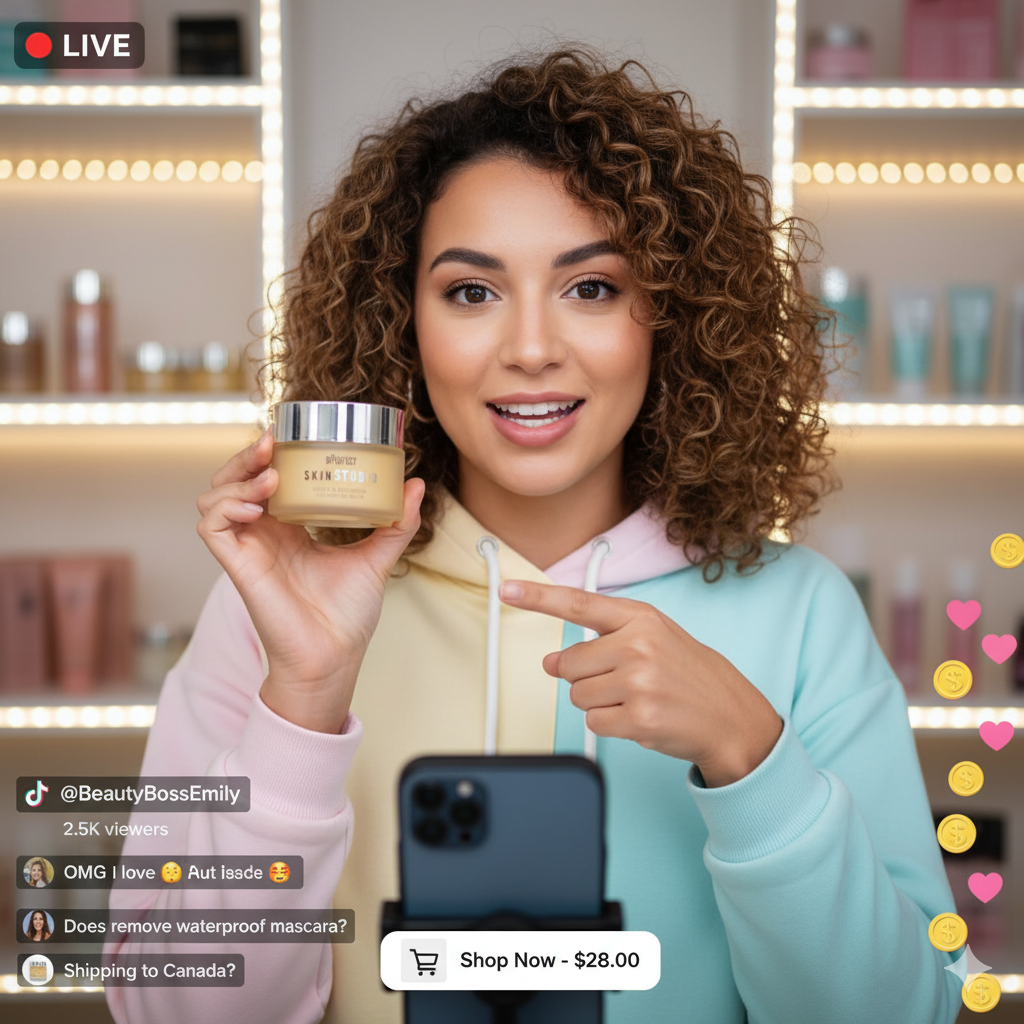
Livestream shopping — the fusion of entertainment, real-time engagement, and eCommerce — has exploded across Asia, especially in China, where platforms like Taobao Live and Douyin (TikTok China) have turned charismatic hosts into million-pound sellers overnight. Yet, while it’s a billion-dollar industry in Asia, adoption in Western markets remains cautious. So, is livestream shopping truly the future of retail — or just another overhyped digital trend?
Let’s unpack what’s driving (and holding back) this trend, explore global best practices, and uncover what it really takes for brands to win in the livestream commerce space.
What Is Livestream Shopping?
Livestream shopping combines real-time video streaming with direct product purchasing. Viewers can interact with hosts, ask questions, and buy products instantly — all within the same platform. Think of it as the digital evolution of TV shopping (like QVC), but built for the TikTok and Instagram generation.
It’s an experience-driven sales format that thrives on authenticity, entertainment, and immediacy.
Global Trends: East vs. West
🌏 Asia Leads the Way
In China, livestream shopping has become an economic phenomenon. The country’s livestream commerce market surpassed $500 billion USD in 2023, accounting for almost 20% of total eCommerce sales.
Key platforms like Taobao Live, Douyin, and Kuaishou have mastered the formula:
- Charismatic hosts (often influencers or brand founders) who engage viewers personally.
- Flash deals and limited-time discounts to trigger impulse buys.
- Seamless checkout integration — no switching tabs or breaking the flow.
These ingredients make livestreams not just sales events, but entertainment experiences.
🌍 The West Struggles to Catch Up
In contrast, Europe and the US have seen a slower uptake. While TikTok Shop, YouTube Live Shopping, and Amazon Live are experimenting with formats, results have been mixed.
A 2024 McKinsey report noted that only 10–12% of US consumers have made a purchase through a live shopping stream — compared to over 70% in China.
Why the gap? It often comes down to execution.
Why Some Livestreams Fail
Livestream shopping isn’t a plug-and-play formula — and that’s where many Western brands miss the mark. Here are the most common pitfalls:
❌ 1. Lack of Authenticity
Consumers can smell a scripted pitch a mile away. Over-rehearsed product demos or corporate spokespeople often fail to resonate. Redditors frequently mention that they tune out when a host sounds “too much like an ad.”
❌ 2. Technical Glitches
Poor lighting, lagging streams, or bad sound instantly kill engagement. If the shopping link doesn’t work smoothly, viewers bounce — fast.
❌ 3. Weak Interaction
Livestreams thrive on real-time engagement. Brands that ignore comments or fail to respond to audience questions lose the “live” advantage. It becomes just another video.
❌ 4. Misaligned Talent
Using influencers who don’t understand the product or target audience leads to credibility gaps. The host needs to be genuinely excited and informed.
What Makes Livestream Shopping Work
Successful livestream commerce hinges on connection, clarity, and consistency. Here’s how top brands get it right:
✅ 1. Choose the Right Host
Real humans sell best. Brands like L’Oréal Paris and Nike China use presenters who blend knowledge with personality — not just influencers with big followings, but hosts who connect emotionally.
✅ 2. Invest in Production Quality
You don’t need a film studio, but clear visuals, good lighting, and reliable audio are essential. Platforms like StreamYard, Be.Live, or OBS Studio offer professional-grade results even for small teams.
✅ 3. Create Urgency and Engagement
The most successful livestreams are interactive and time-sensitive. Use:
- Countdown timers
- Live polls or quizzes
- Exclusive discounts for viewers
- Q&A sessions with experts or founders
✅ 4. Staff for Speed
Have dedicated staff ready to handle chat questions, tech issues, and order verifications in real-time. Every delay risks losing sales momentum.
✅ 5. Repurpose Content
Smart brands record their livestreams and re-edit them for short-form videos on TikTok, YouTube Shorts, or Instagram Reels — extending ROI far beyond the live event.
Case Studies: Success and Missteps
💡 Success: L’Oréal Paris
L’Oréal’s livestream campaigns in China combined product demos with celebrity hosts and limited-edition launches. Their 11.11 shopping festival streams generated millions in sales within hours, thanks to storytelling and exclusivity.
💡 Success: Walmart on TikTok
Walmart’s US livestreams, featuring influencers and stylists, drew millions of viewers and strong engagement. Their secret? Letting creators be themselves — casual, humorous, and relatable.
⚠️ Failure: Amazon Live (Early Days)
Early Amazon Live sessions felt like QVC replays — product-heavy, personality-light. Lack of interaction and entertainment value led to viewer drop-off. However, Amazon is now refining its approach with influencer partnerships and better UX.
The Human Element: What Reddit Thinks
Redditors across marketing and eCommerce threads agree on one thing — livestream shopping works only when it feels human.
Viewers value:
- Hosts who genuinely use and like the products.
- Spontaneous moments that feel unscripted.
- Real responses to live comments.
One Redditor summed it up perfectly:
“Livestream shopping isn’t about selling — it’s about hanging out with someone who happens to show you cool stuff to buy.”
What’s Next for Livestream Commerce?
Livestream shopping is still finding its footing in Western markets, but several factors point to its growth potential:
- TikTok Shop expansion into the UK and Europe is accelerating adoption.
- AI-powered live translations will make global streams accessible across languages.
- Virtual hosts and avatars (like AI presenters) are entering the scene — offering 24/7, low-cost engagement options.
- Social commerce integration is tightening: users can now buy directly without leaving TikTok or Instagram.
The winners will be the brands that treat livestream shopping as a community-building tool, not just a sales event.
Final Thoughts
So, is livestream shopping the future or just overhyped?
The truth lies in the middle. For brands chasing quick conversions without real connection, it will fade fast. But for those who prioritise authenticity, storytelling, and real-time human interaction — livestream shopping isn’t just the future. It’s the evolution of digital retail.
It’s not about being “live.”
It’s about being real.